Creep Feeding Lambs
Creep feeding is a valuable management tool that involves providing supplementary feed to nursing lambs, allowing them to access high-quality nutrients and reach target weights more efficiently. This practice is particularly beneficial when pasture quality or quantity is limited, as it helps to ensure that lambs maintain optimal growth rates even in challenging conditions.
One of the primary benefits of creep feeding is improved lamb growth. By providing lambs with access to nutrient-dense feed, producers can help them grow faster and reach target weights sooner. This is especially important in situations where pasture alone may not be sufficient to support optimal growth. Creep-fed lambs also tend to be heavier at weaning, which can improve their survival and post-weaning performance.
Another advantage of creep feeding is that it can help to reduce nutritional pressure on ewes. When lambs are able to obtain a portion of their nutritional needs from supplementary feed, ewes are less stressed and can more easily maintain their body condition. This is particularly important for ewes that are nursing multiple lambs or those in low body condition.
Creep feeding is also an efficient way to boost lamb growth due to the higher feed conversion ratio of young lambs compared to older animals. This means that they are able to convert feed into body weight more effectively, making creep feeding an economically viable option for many producers.
In some cases, creep feeding may also allow producers to market their lambs earlier, taking advantage of higher prices when supply is limited. This can be a significant benefit for those looking to optimise their returns and make the most of seasonal market fluctuations.
When implementing a creep feeding program, it is important to consider several key factors to ensure success. One of the most critical aspects is feed quality. Creep feed should be formulated to provide high levels of energy and protein, with a target of at least 16% crude protein and 12 MJ/kg of metabolizable energy. This will help to support optimal lamb growth and development.
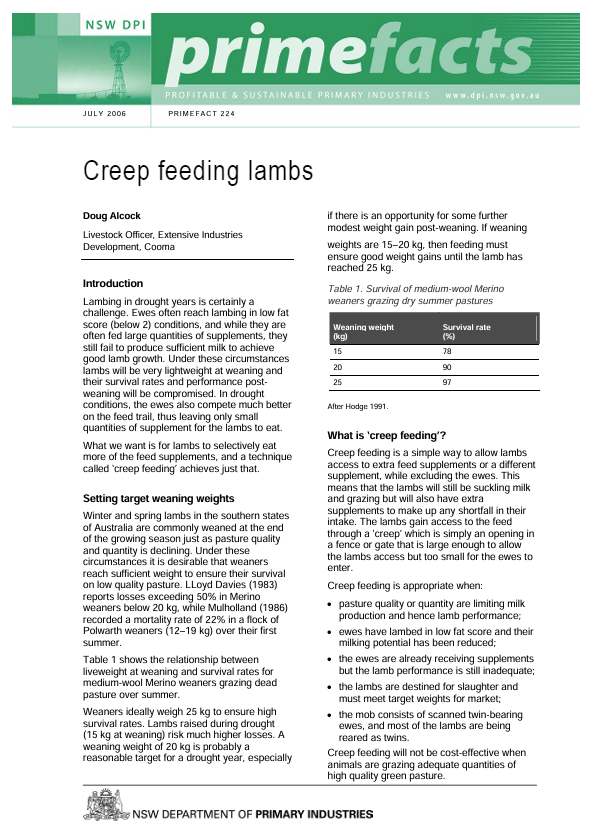
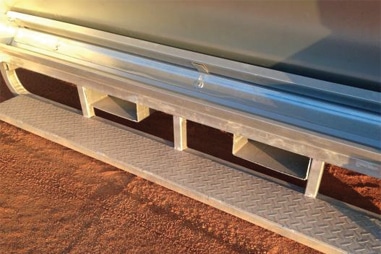
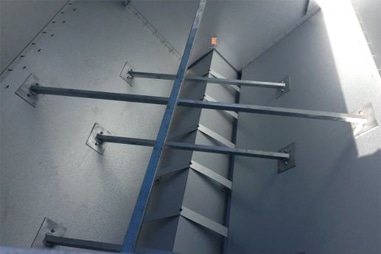
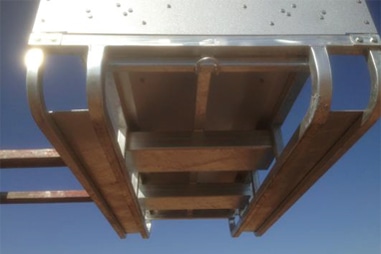
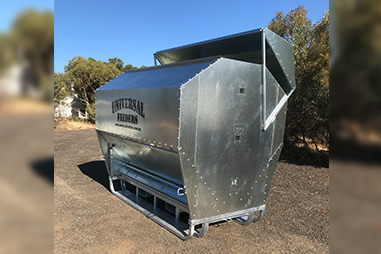
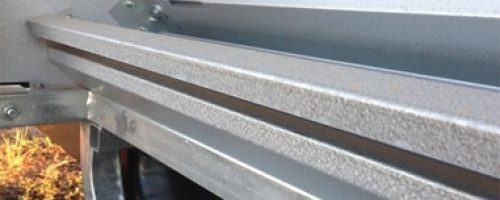
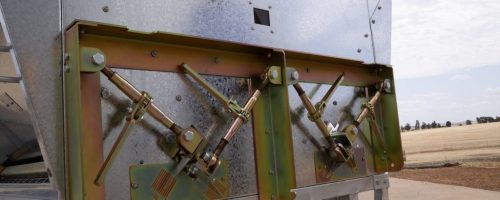
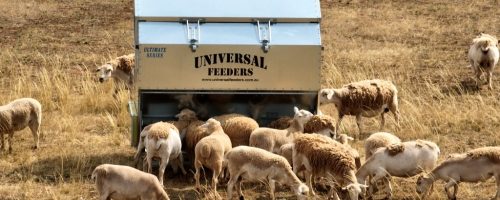
Another important consideration is the design of the creep feeder itself. Feeders should be constructed to allow lambs to access feed easily while excluding ewes. It may be necessary to adjust the size of the openings as lambs grow to prevent them from getting stuck or injured.
The location of the creep feeder is also important. Feeders should be placed in areas that are frequently visited by the flock, such as near water sources or other feeding areas. It is also essential to ensure that the area around the feeder stays clean and dry to minimise the risk of disease and maintain feed quality.
When introducing creep feed, it is generally recommended to start when lambs are around 2-4 weeks old. This is the time when they begin to consume significant amounts of solid food in addition to milk. Proper feeding management is also critical, with regular cleaning of troughs and feeders necessary to prevent feed spoilage and maintain palatability.
It is important to note that while creep feeding can provide significant benefits, it is not a substitute for proper ewe nutrition. Ewes should still receive adequate feed to support milk production and maintain their own body condition.
Finally, producers should carefully assess the economic viability of creep feeding based on their specific circumstances. Factors to consider include feed costs, lamb prices, and the potential for improved growth and survival rates.
Creep feeding can be a powerful tool for optimising lamb performance and supporting overall flock productivity. By providing high-quality supplementary feed to nursing lambs, producers can achieve higher weaning weights, earlier marketing, and potentially better economic returns. However, careful planning and management are necessary to ensure the success of a creep feeding program.