
FAQs
-
The Original Feeder uses two slides:
- One controls grain depth (height)
- One controls grain width
The Ultimate Feeder uses one plate to control both, which means:
- Fewer moving parts
- Less maintenance
- Reduced risk of grain, dust, or water getting trapped
- Lower corrosion risk
-
The Ultimate Feeder features:
- A fully welded base sheet
- Structural support underneath (like a chassis)
- Load distribution through SHS/RHS supports
This prevents twisting and stops stress being carried by sheet metal alone — making it significantly stronger, especially when lifting with grain inside.
-
We use heavier steel where it matters most:
- 2.0 mm – hopper sheets (livestock contact areas)
- 1.5 mm – side sheets
- 2.2 mm – roof sheet
This ensures durability in high-wear areas.
-
We use high-quality galvanised steel, with a high zinc coating rate (e.g. ~275 g/m²), which provides:
- Strong corrosion resistance
- Longer product life
- Better performance in harsh conditions
-
- Fully welded base (not bolted or screwed)
- Internal structural support frame
- No reliance on sheet metal alone for strength
- Designed to remove twist and distribute load evenly
-
Yes.
Feeders can be:
- Shifted
- Lifted with grain inside
Important:
- Keep the feeder level
- Use appropriate lifting equipment (e.g. forks)
The main limitation is the lifting machine, not the feeder.
-
No — this has been designed out.
Older designs could:
- Trap tags between adjusters
- Tear tags out
Our design:
- Removes pinch points
- Keeps adjustment mechanisms away from feed areas
- Reduces risk of tag loss or damage
-
Adjustments are:
- Done outside the main feed area
- Protected from grain, moisture, and saliva
This:
- Reduces corrosion
- Keeps mechanisms cleaner
- Makes adjustments easier
-
Lids are designed for ease of use:
- Long handles extend down the side
- Pivot system carries most of the weight
- Handles double as locking mechanism
No padlocks required (which avoids corrosion issues).
Additional Resources

How does a Universal Feeder Work?
Traditional supplement feeding methods, such as daily or every-second-day feeding, allow animals to gorge on supplements, causing a rapid drop in rumen pH. This acidic environment is harmful to the […]
Introducing the Ultimate Series Feeders
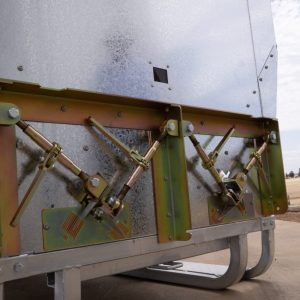
Enhanced durability and extended lifespan The patent-pending one-adjuster design eliminates the bottom adjuster, which is prone to corrosion due to the accumulation of saliva, rain, and dirt. By removing this […]

Unique Features of Universal Feeders
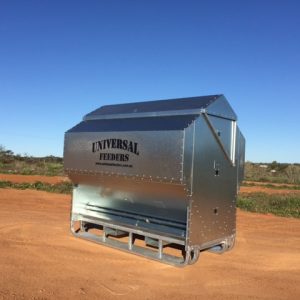
CHECKER PLATE SKIDS Reduces the ground disturbance. Ensures the feeder is always on level ground. INTERNAL RHS SUPPORTS All feeder models have 25x25x2mm RHS supports within the feeder. Supports significantly […]
Assembly Instructions
Universal Lick Feeders are designed to easily assemble basic tools on-site. If you have any questions regarding the assembly of your Universal Feeder, please send us an email enquiry […]

Guide to setting adjusters
DISCLAIMER: All information provided is a guide only. Application of information may vary; therefore, no responsibility is accepted by the supplier or seller.
Creep Feeding Lambs
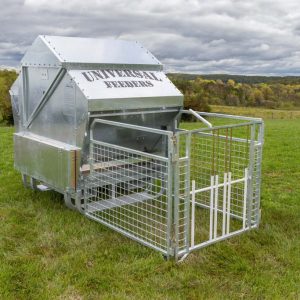
Creep feeding is a valuable management tool that involves providing supplementary feed to nursing lambs, allowing them to access high-quality nutrients and reach target weights more efficiently. This practice is […]